


Teak Oil vs Teak Sealer: Which Is Best for Your Outdoor Teak Furniture?
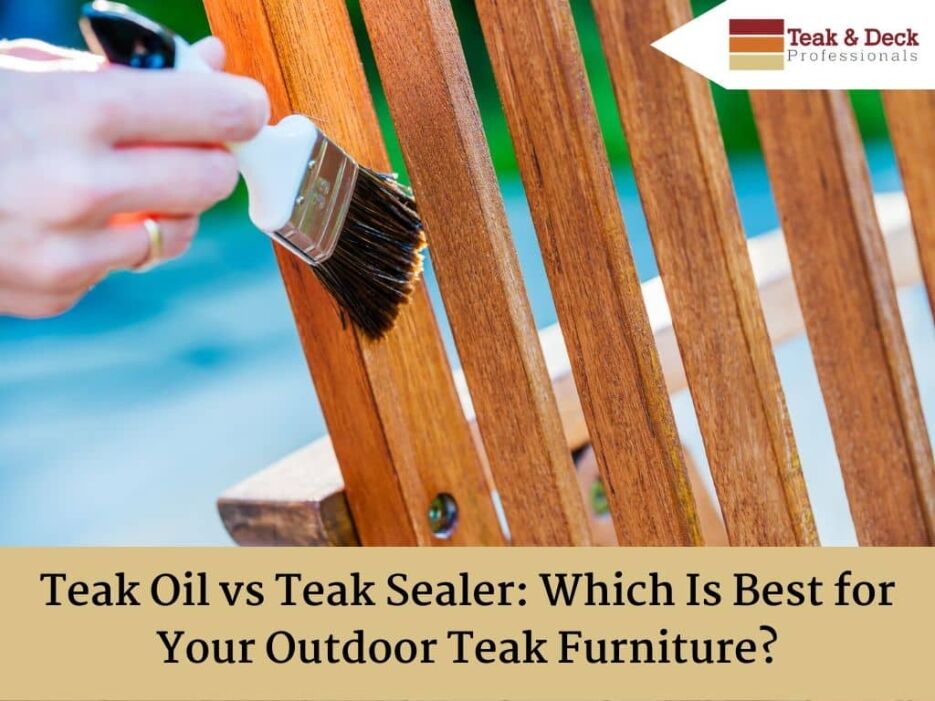
A penetrating teak sealer is the better choice for outdoor teak furniture. Teak oil brings out a rich golden color right away, and that color fades within a week or two in Southern California sun. A quality sealer locks the wood’s natural oils in, blocks UV rays, and keeps the color looking fresh for six months to a year between coats.
If you own teak chairs, tables, or loungers and want them to stay golden with the least upkeep, choosing between oil and sealer decides how often you’ll be back outside with a rag and a can. Our crews at Teak & Deck Professionals care for outdoor teak across San Diego, Orange County, and Los Angeles, and sealer is the product we trust for sealing teak furniture on every job.
Understanding Teak Wood and Its Natural Oils

Teak’s natural oils are the reason it lasts outdoors, and knowing how those oils behave makes maintaining outdoor teak furniture much simpler.
Teak is a kind of tropical hardwood sourced from South and Southeast Asia. It’s been prized over the generations for its beautiful golden color, resistance to water damage, and density.
Teak’s natural golden hue fades with time outdoors. As the furniture sits in the sun, the surface oils dry out and the wood turns a silvery gray. Regular care keeps that golden tone in place, which makes sealing a key part of maintaining high-quality teak furniture.
About Teak Oil
Teak oil is a popular product for bringing back a teak piece’s color and shine. The name refers to the wood it is sold for, and the formula itself is a blend of linseed or tung oil, varnish, and thinners.
Teak oil soaks into the surface and deepens the grain and color almost immediately, which makes it a tempting quick fix. The oil sits near the surface and offers little defense against UV rays or airborne contaminants, so the golden shine starts to fade within a week or two.
Keeping that color means reapplying teak oil every few weeks. Each coat adds another layer to the surface, and over time that buildup turns sticky, darkens the wood, and gives mildew something to feed on. Teak sealer avoids that cycle entirely.
About Teak Sealers
Teak sealer works with the oils already in the wood. A penetrating sealer soaks into the grain and locks those natural oils in, which keeps moisture and contaminants out and protects the wood’s color.
Most outdoor teak furniture needs a fresh coat every 6 to 12 months, depending on how much direct sun it gets. Pieces in shade can usually go a full year, while pieces in full sun do best with a spring coat and a touch-up later in the year. We recommend a fully penetrating sealer that leaves no film on the surface, and our step-by-step guide to applying teak sealer walks through the full process.
Why Teak Sealer Is the Better Choice
Teak oil is a short-term fix, and teak sealer is a long-term investment in your furniture. For anyone who would rather skip frequent reapplication and sticky buildup, we recommend teak sealer.
If you do choose teak oil, read the label closely. Many formulas are thinned with mineral spirits that evaporate quickly, and the oil left behind oxidizes on the surface, which is why the finish darkens and turns tacky with repeated coats. Our guide on how teak oil affects outdoor furniture goes deeper.
When our crews care for customers’ teak furniture, we use marine-grade sealers that big-box stores don’t carry. A quality sealer protects outdoor teak in three ways.
1. UV Protection
Sunlight is the main cause of fading on outdoor teak. UV rays break down the wood fibers at the surface and dry out the natural oils, which turns rich brown wood a silvery gray. A fresh sealer coat every 6 to 12 months keeps the oils in and slows that UV damage.
2. Mildew Growth Prevention
Teak resists mold and rot better than most woods, and mildew can still settle on the surface of teak outdoor furniture, especially in shade and coastal fog. Cleaning the furniture and then sealing it gives mildew far less to grab onto.
3. Oxidation Prevention
Air and sunlight slowly evaporate and oxidize the oil in teak’s outer layer. Some owners enjoy the soft, weathered look of gray teak furniture, and for everyone who prefers the golden tone, a quality teak sealer applied every 6 to 12 months keeps oxidation in check.
Teak Oil vs Danish Oil, Linseed Oil, and Varnish
Teak oil is one of several finishes sold for wood furniture, and each one behaves differently on outdoor teak.
Danish Oil
Danish oil blends a drying oil, usually tung or linseed, with varnish and thinner. The varnish helps it cure harder than standard teak oil, and it still sits close to the surface, so outdoor pieces need frequent recoats. Danish oil works best on indoor furniture, while outdoor teak gets longer protection from a penetrating sealer.
Linseed Oil
Linseed oil is a main ingredient in many teak oil formulas, so the two behave much alike outdoors. Raw linseed oil dries slowly and stays soft, while boiled linseed oil includes drying agents that speed up curing. Both darken over time and can encourage mildew on outdoor wood, which makes them a weak long-term finish for teak furniture.
Marine Varnish
Varnish forms a hard film on top of the wood. Teak keeps pushing its natural oils toward the surface, and that oil can lift a film finish from underneath, so varnished teak eventually cracks or peels and needs a full strip and refinish. Varnish suits boat trim that someone maintains on a set schedule, and a penetrating sealer is the easier choice for outdoor furniture.
Teak Oil and Teak Sealer FAQs
Is Teak Wood Waterproof?
Teak is highly water resistant, and it falls short of fully waterproof. Its dense grain and natural oils help it shed rain and resist rot, which is why it is so popular for outdoor furniture. Water that sits on the surface for long stretches can still leave marks and feed mildew, so a quick wipe after rain or sprinklers goes a long way.
Does Teak Sealer Waterproof Outdoor Furniture?
A penetrating teak sealer makes outdoor furniture far more water resistant. It soaks into the grain and keeps moisture from working its way into the wood while still letting the wood breathe. Sealed teak still benefits from a quick wipe after heavy rain, since puddles left on any finish can mark the surface over time.
Can You Put Teak Sealer Over Teak Oil?
Sealer needs clean, bare wood to soak in. Oil already fills the pores, so sealer brushed over it wears off unevenly within a season. Oiled teak needs a thorough cleaning to remove the old oil, and then it is ready for a fresh coat of sealer.
Teak Furniture Sealing in San Diego, Orange County, and Los Angeles
At Teak & Deck Professionals, our in-house crews prepare and seal outdoor teak furniture by hand, and we quote every job with guaranteed over-the-phone pricing.
Our team has served Southern California for over two decades, and we know how local sun and coastal air treat outdoor teak. Call us with any questions about teak sealer, or contact us to schedule your annual maintenance appointment.
